Automatic Generation of Executable BPMN Models from Medical Guidelines

Praveen Kumar Menaka Sekar1, Ion Matei2, Maksym Zhenirovskyy2, Hon Yung Wong2, Sayuri Kohmura3, Shinji Hotta3, and Akihiro Inomata3

1Dept. of Mechanical Engineering, University of Maryland, College Park, MD 20742, USA    2Fujitsu Research of America, Santa Clara, CA 95054, USA    3Fujitsu Limited, Nakahara-ku, Kawasaki, Kanagawa 211-8588, JAPAN


Abstract

We present an end-to-end pipeline that converts healthcare policy documents into executable, data-aware Business Process Model and Notation (BPMN) models using large language models (LLMs) for simulation-based policy evaluation. We address the main challenges of automated policy digitization with the following four contributions: data-grounded BPMN generation with syntax auto-correction, executable augmenta-tion, KPI instrumentation, and entropy-based uncertainty detection. We evaluate the pipeline on diabetic nephropathy (DN) prevention guidelines from three Japanese municipalities using three LLM backends, generating 100 candidate models per backend per municipality to characterize output variability. Our ex- perimental results show that well-structured policies yield deterministic models matching human baselines exactly, while complex policies with implicit temporal dependencies produce high-entropy distributions across all backends, confirming that the flagged ambiguity is an intrinsic document property rather than an LLM artifact.

Policy Text Inputs

Original diabetic nephropathy prevention guidelines used as input to the pipeline — one document per Japanese municipality

DN Prevention — City 1

Stage 2 or 3 diabetic nephropathy patients

Inclusion Criteria

Meeting ① or ② and also meeting ③ or ④:

A. Diabetes

  • ① Fasting blood glucose ≥ 126 mg/dl or HbA1c ≥ 6.5%
  • ② Already diagnosed with type 2 diabetes and currently receiving outpatient treatment

B. Renal function is impaired

  • ③ Urinary protein (±) or higher, or urinary albumin ≥ 30 mg/gCr
  • ④ eGFR 30–60 ml/min/1.73 m²

Exclusion Criteria

Individuals with type 1 diabetes or cancer should be excluded from the program.

Health Guidance Protocol

  • In addition to receiving invitations to participate, participants are also recruited through recommendations from their family doctors.
  • Registered dietitians at cooperating medical institutions will work with family doctors in the ward to provide health guidance over a six-month period.
  • Individual goals are set during the initial consultation.
  • Reports and instructions are received from the patient's primary care physician via a collaboration pass.
  • Lifestyle improvement status is confirmed through pre- and post-intervention test results and a questionnaire.
  • One follow-up visit is conducted in the following fiscal year for participants from the previous fiscal year.
DN Prevention — City 2

Inclusion Criteria

Meet any of the following criteria A ①–③ and any of B ①–④:

A. Diabetes

  • ① Claim data indicates “diabetes” in medical history or past medical history (including individuals who have not undergone specific health checkups).
  • ② Currently receiving diabetes treatment (oral or insulin).
  • ③ Fasting blood glucose level ≥ 126 mg/dl or HbA1c ≥ 6.5%.

B. Impaired renal function

  • ① Urinary protein level ≥ 1+
  • ② eGFR ≥ 30 ml/min/1.73 m² and < 60 ml/min/1.73 m²
  • ③ Urinary protein level ≥ ± and eGFR ≥ 60 ml/min/1.73 m² and < 90 ml/min/1.73 m²
  • ④ Medical history or past medical history includes “diabetic nephropathy”

Exclusion Criteria

Individuals with type 1 diabetes or cancer should be excluded from the program.

Health Guidance Protocol

  • Individualized support plans tailored to each participant's needs are created, providing guidance on diet, exercise, and blood sugar management.
  • More in-depth support is provided by increasing phone consultations to two for severe cases. For patients with diabetic kidney disease, dietary guidance (low-protein diets and potassium restriction) is also provided.
  • A confirmation form of lifestyle guidance is requested from the patient's primary care physician, listing important notes. A report on the guidance results is mailed monthly.
  • Information from selection criteria to health guidance results is provided to the Medical Association, and advice is received from them.
DN Prevention — City 3

Inclusion Criteria

① Eligible for urinary albumin testing (quantitative)

  • Age 60–64 at the end of the fiscal year, with HbA1c 6.0–6.4% and urinary protein (−) to (+) in the FY2023 health checkup, and no diabetes medication.
  • Eligible for FY2023 diabetes consultation recommendation.

② Eligible for Kidney Screening Interview

  • Eligible for ① specific health checkup and quantitative urinary albumin test with trace albuminuria.
  • Eligible for a physician's consultation: urinary protein (±) or higher, eGFR 30–60, HbA1c ≥ 6.5%, and diabetes treatment where physician has determined health and nutritional guidance is necessary.

Exclusion Criteria

Individuals with type 1 diabetes or cancer should be excluded from the program.

Health Guidance Protocol

  • When explaining urinary albumin quantitative test results, the doctor encourages the patient to use health guidance.
  • When the patient begins health guidance, the doctor provides a “Health Guidance Contact Form,” which is used to submit a health guidance report.
  • Using the Diabetes Collaboration Handbook and other tools, the patient is provided with information about health guidance provided to their doctor.

Guidance for Preventing Severe Disease (Kidney Screening Interviews)

  • Individuals with high risk of diabetic nephropathy based on R5 health checkup results receive a ticket for a urine albumin test (quantitative) on the same day as their R6 health checkup.
  • The city contacts eligible individuals by phone to encourage an albuminuria test within June–September.
  • Individuals with microalbuminuria based on R6 health checkup results are contacted by a doctor and invited to a Kidney Screening Interview conducted by the city.
  • Individuals without a Kidney Screening Interview appointment are re-encouraged by phone.
  • Interview results are reported to the attending physician.

System Architecture

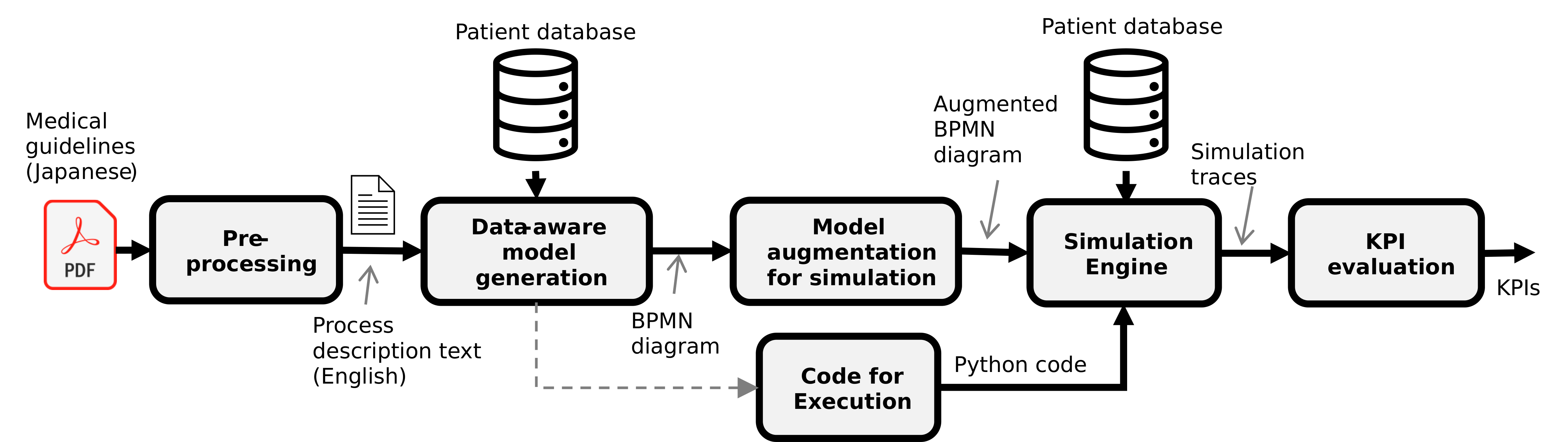
System architecture diagram showing the six-stage pipeline

Tool Demonstration

End-to-end pipeline: from uploading a healthcare policy PDF to generating executable BPMN models and simulation KPIs

KPI Visualization Results

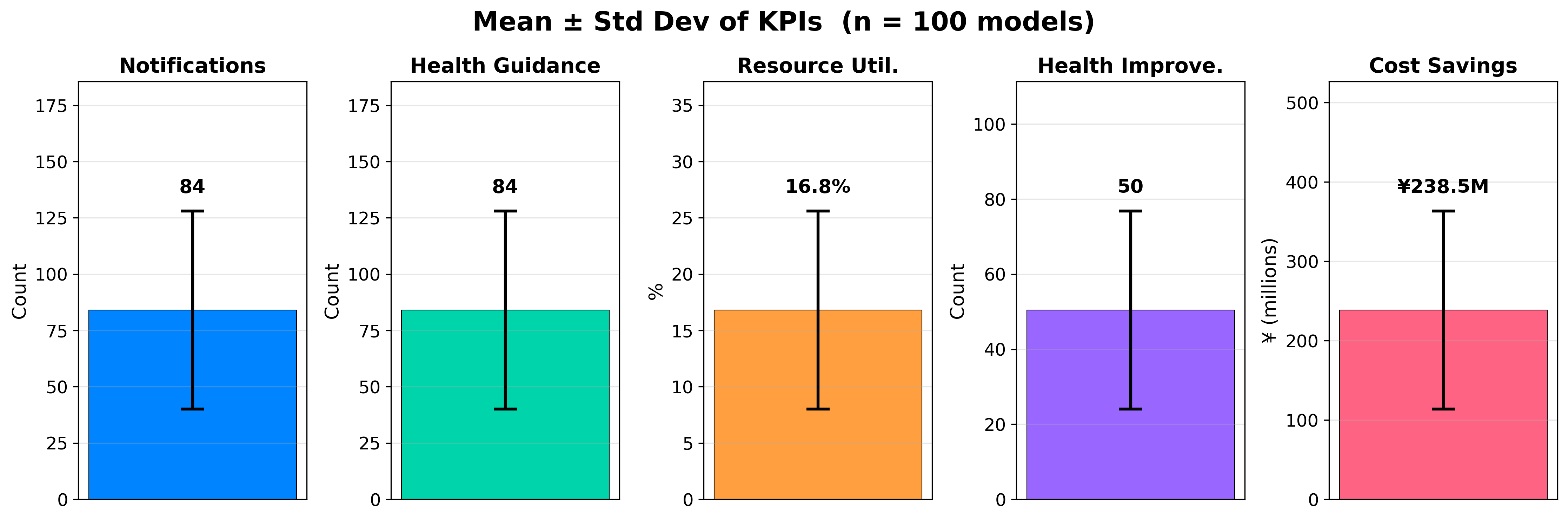
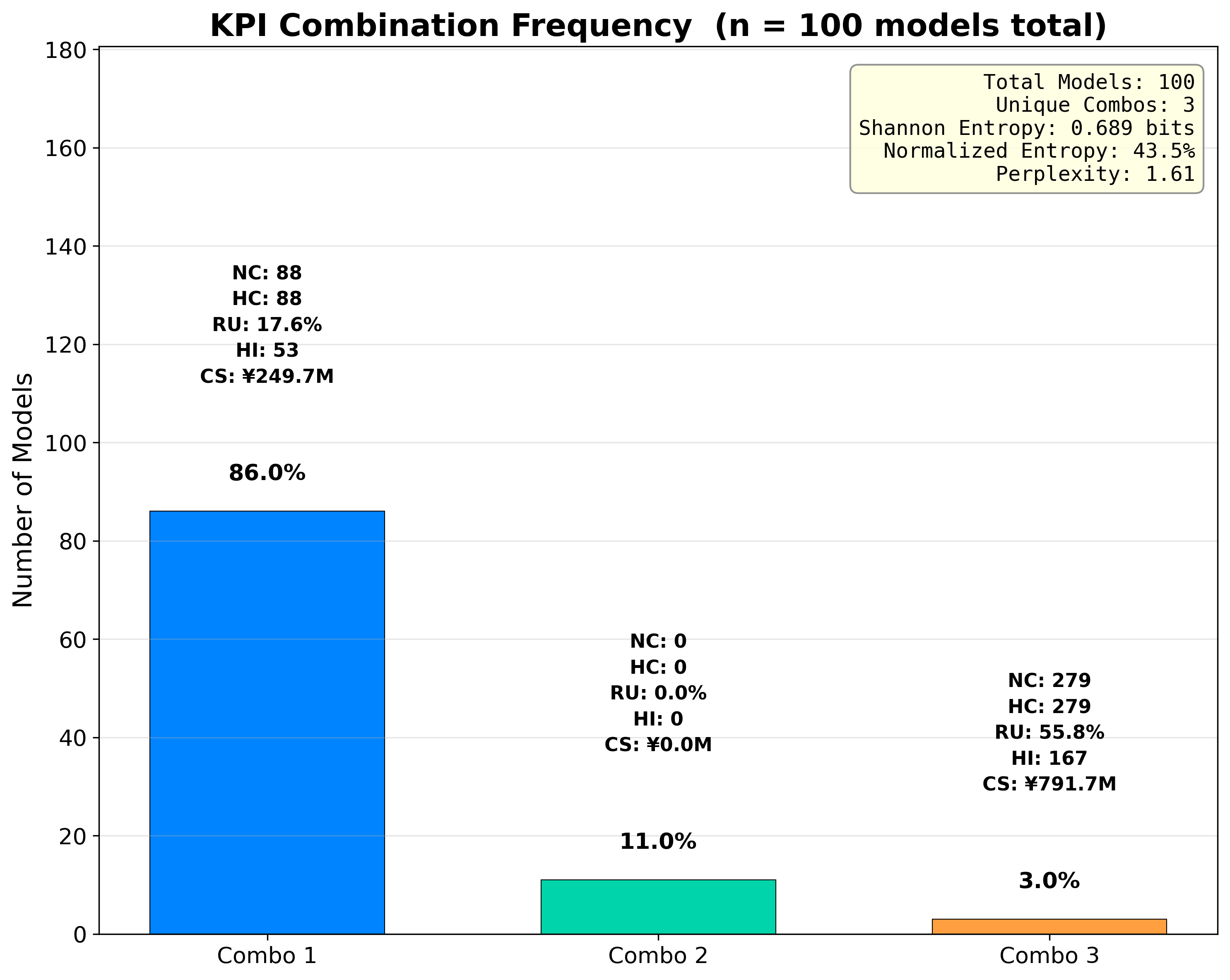
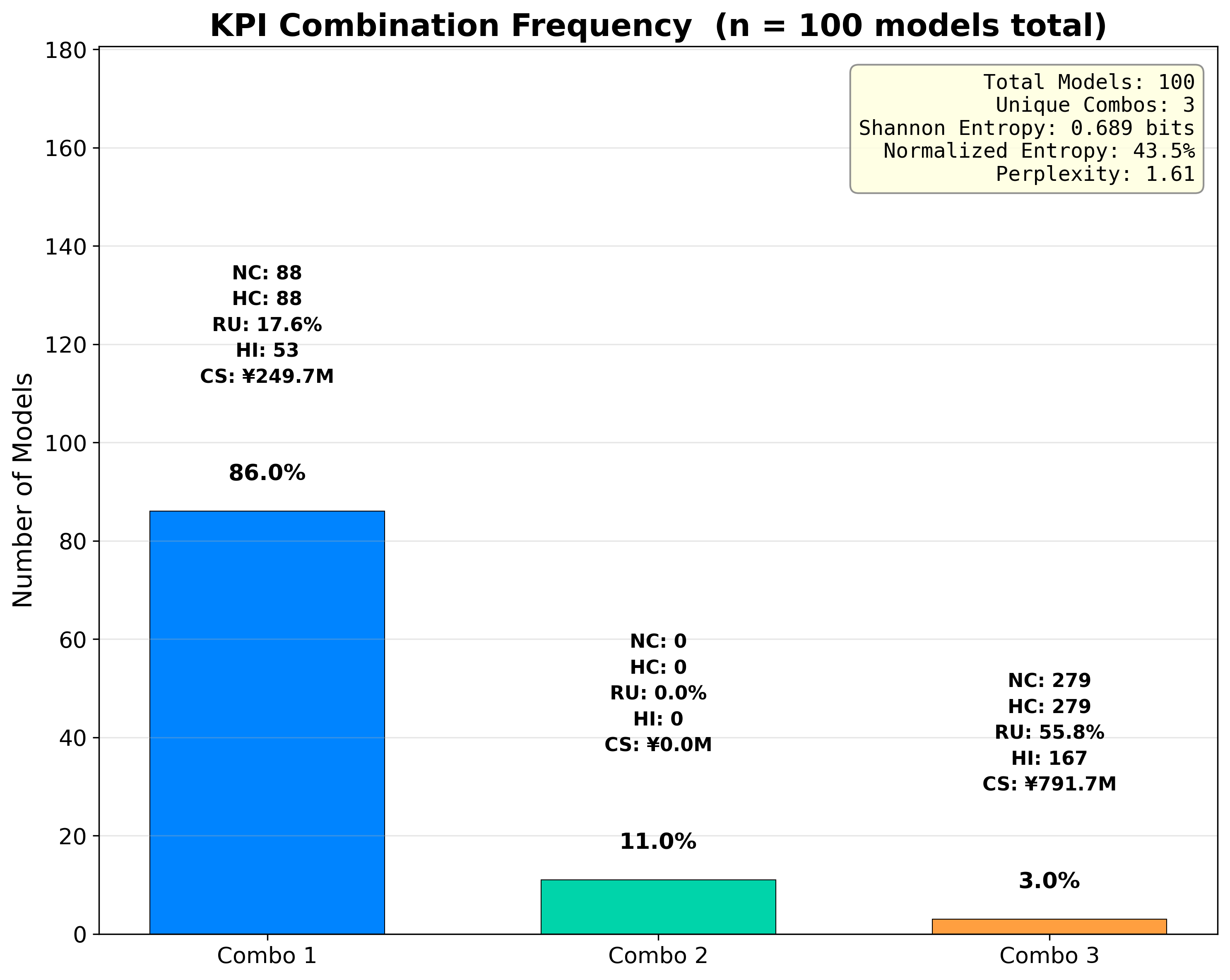
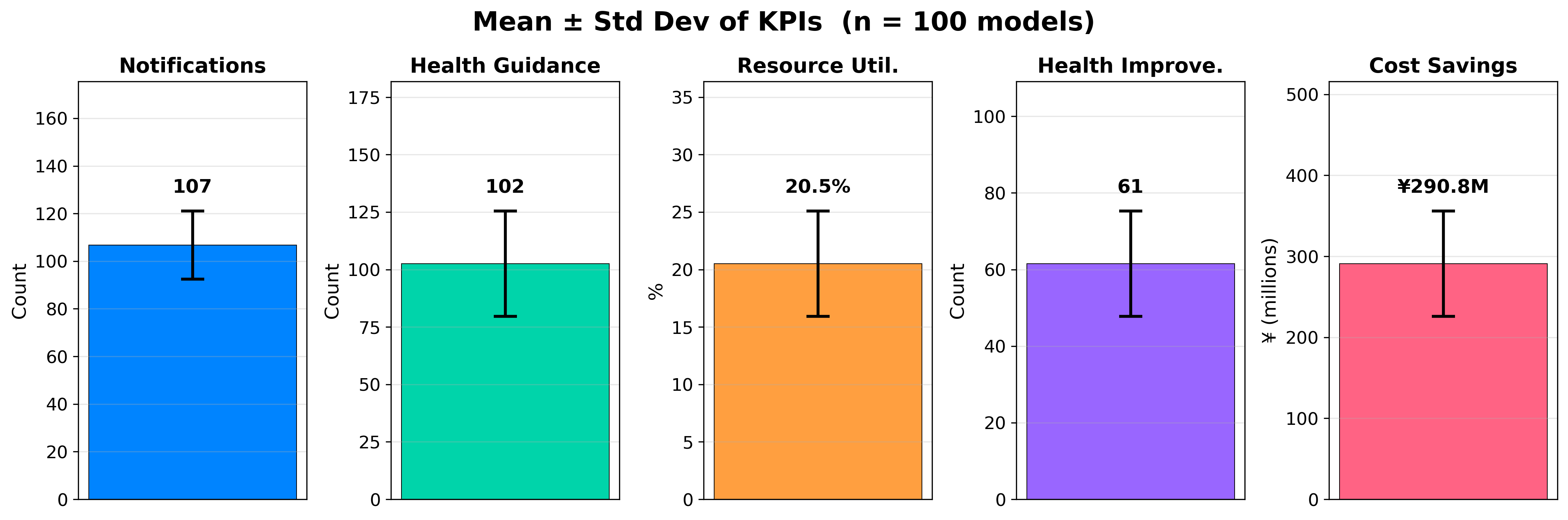
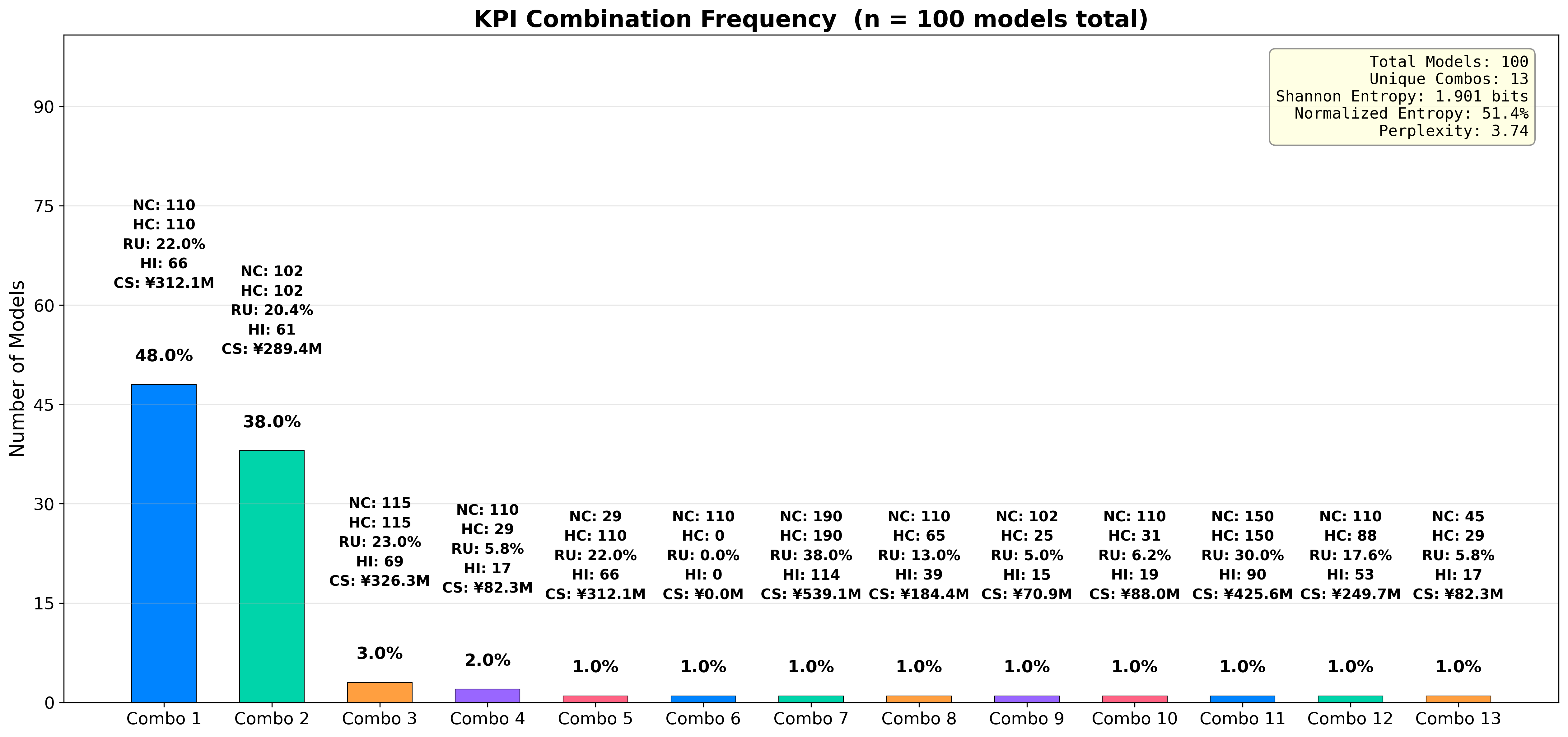
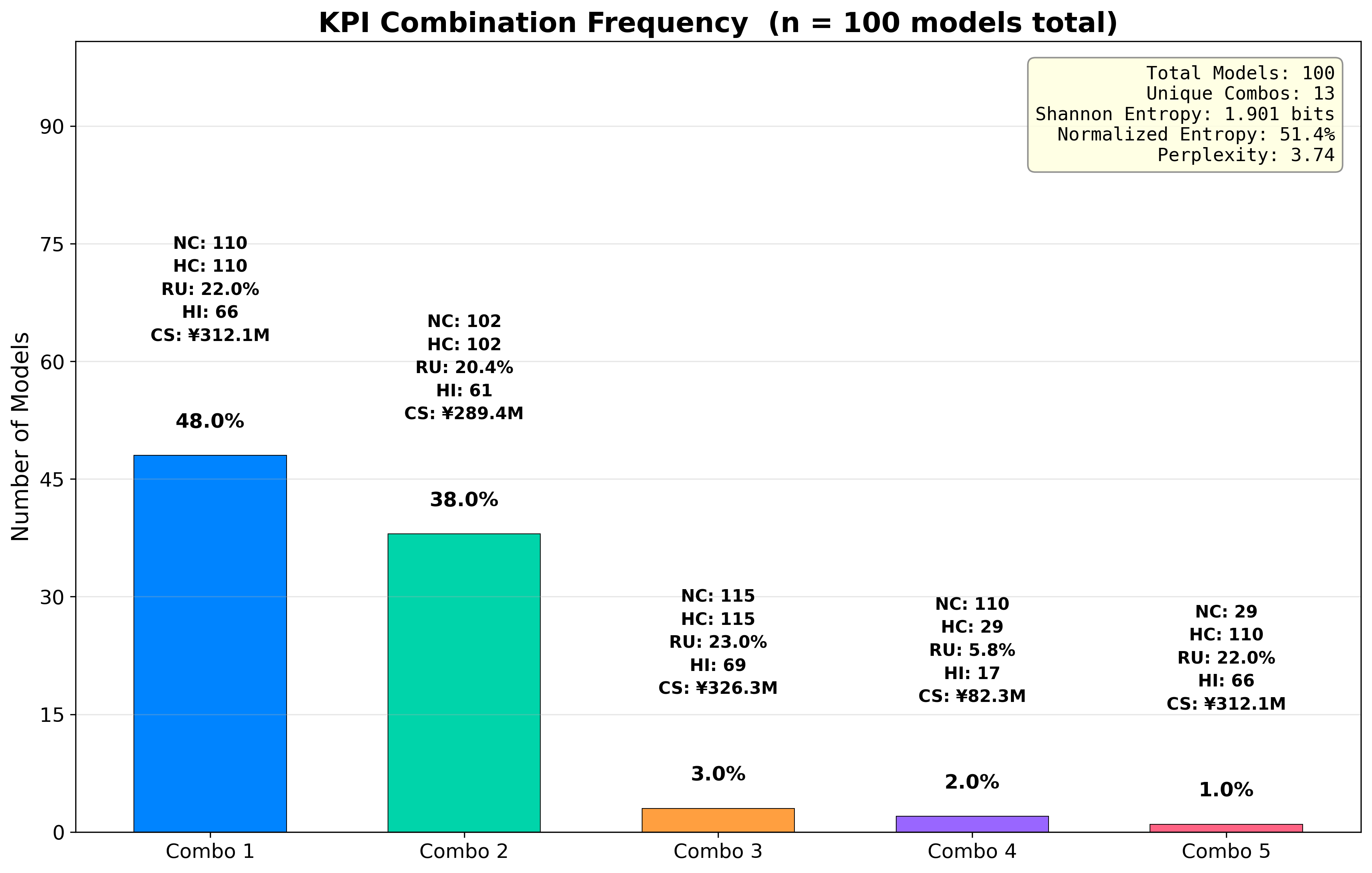
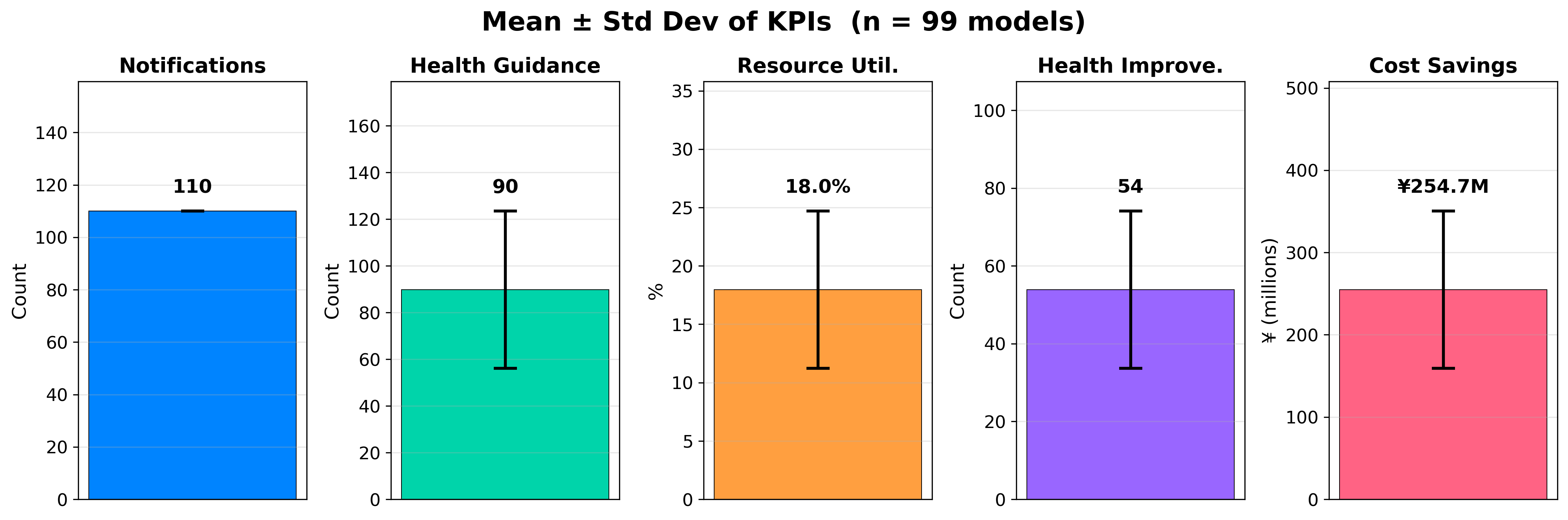
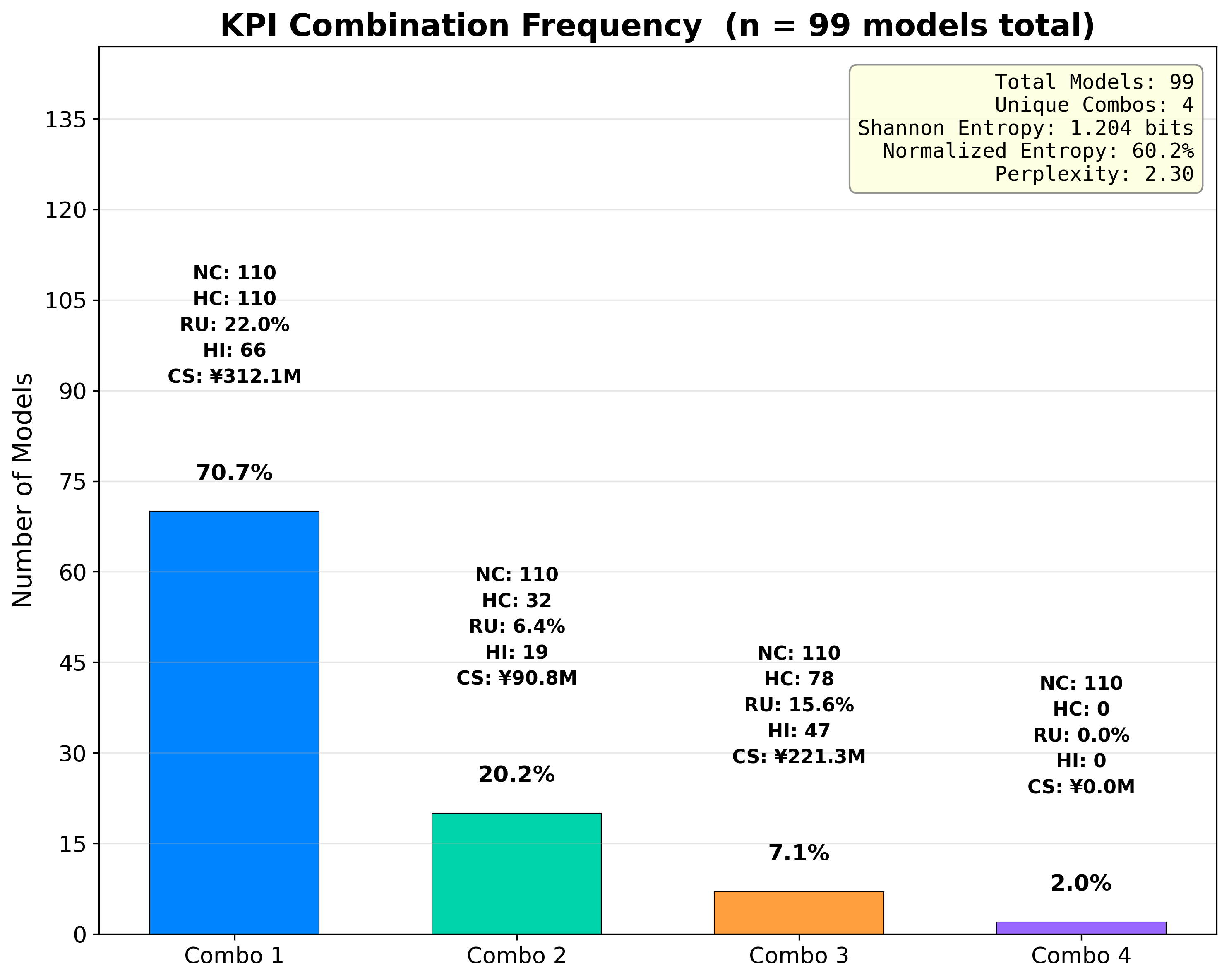
KPI distributions across cities and LLM variants — click any chart to enlarge
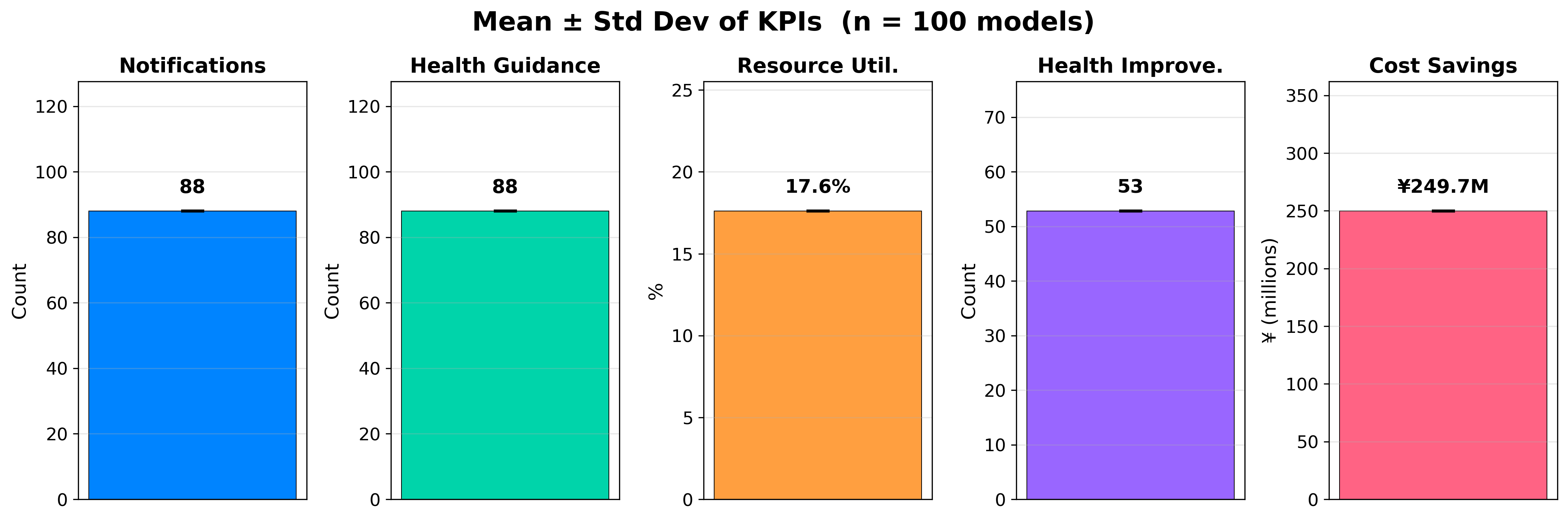
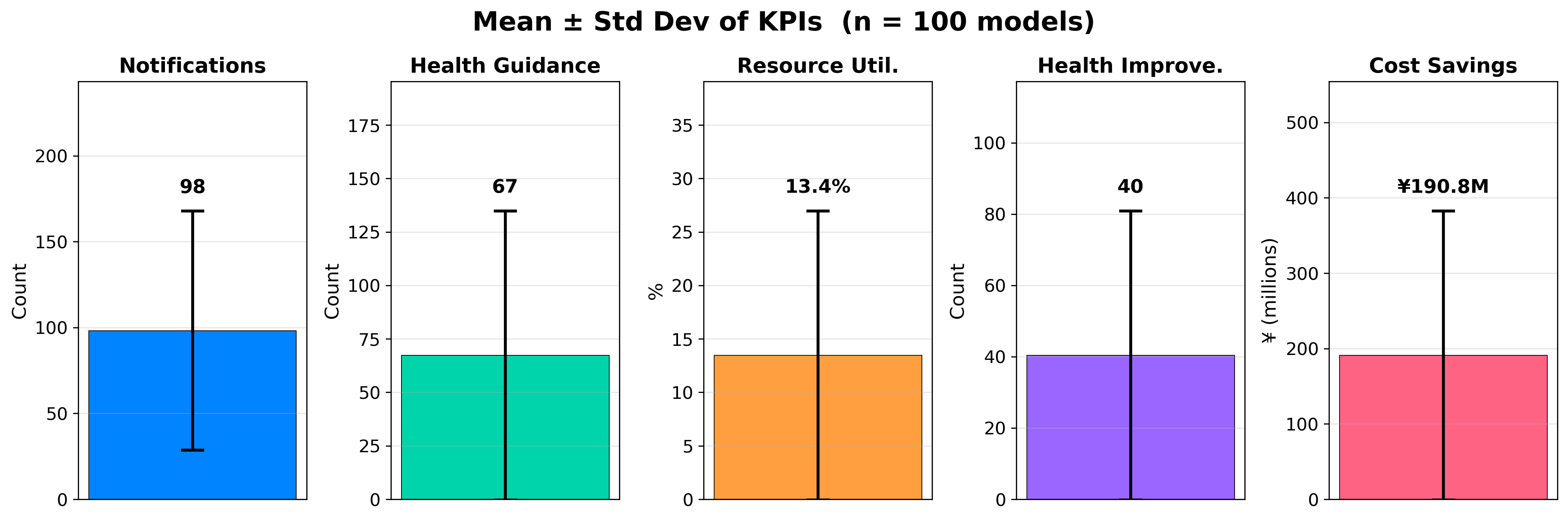
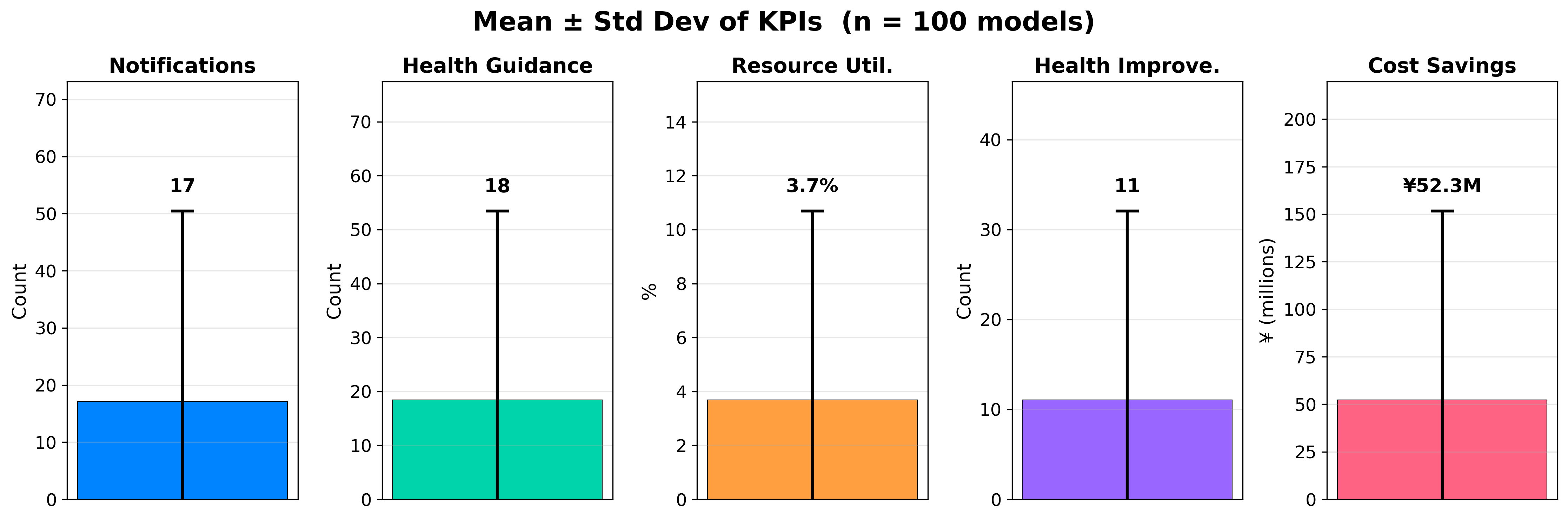
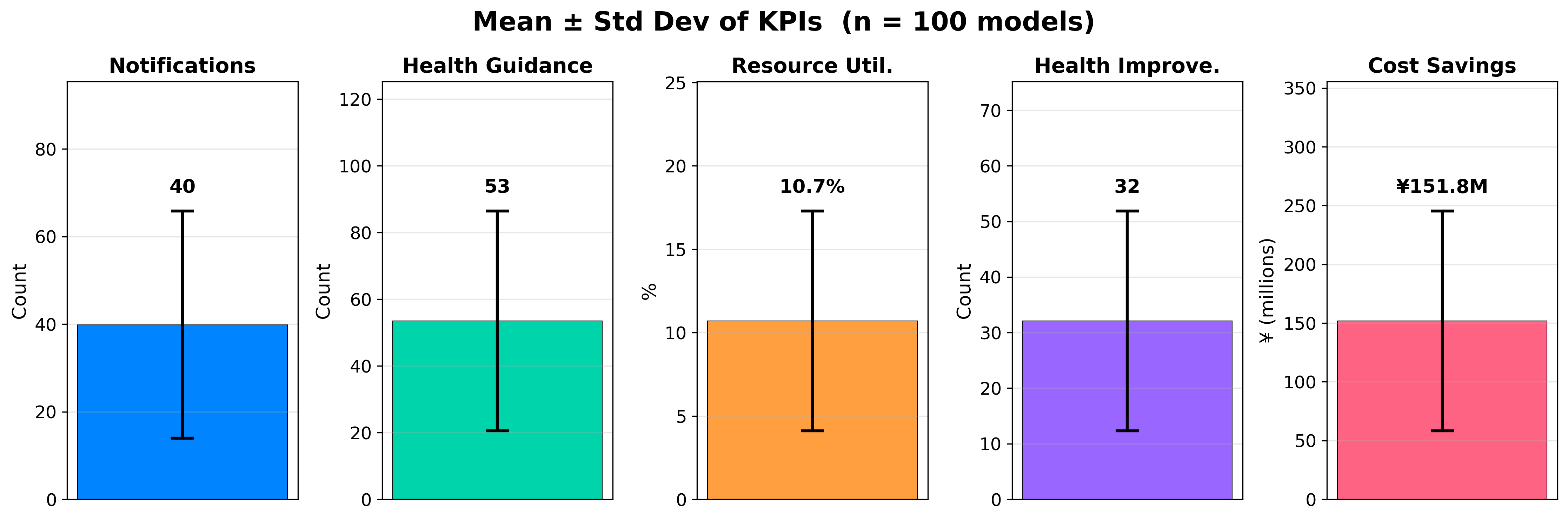
City 1 GPT-5.1 KPI Mean & Variance
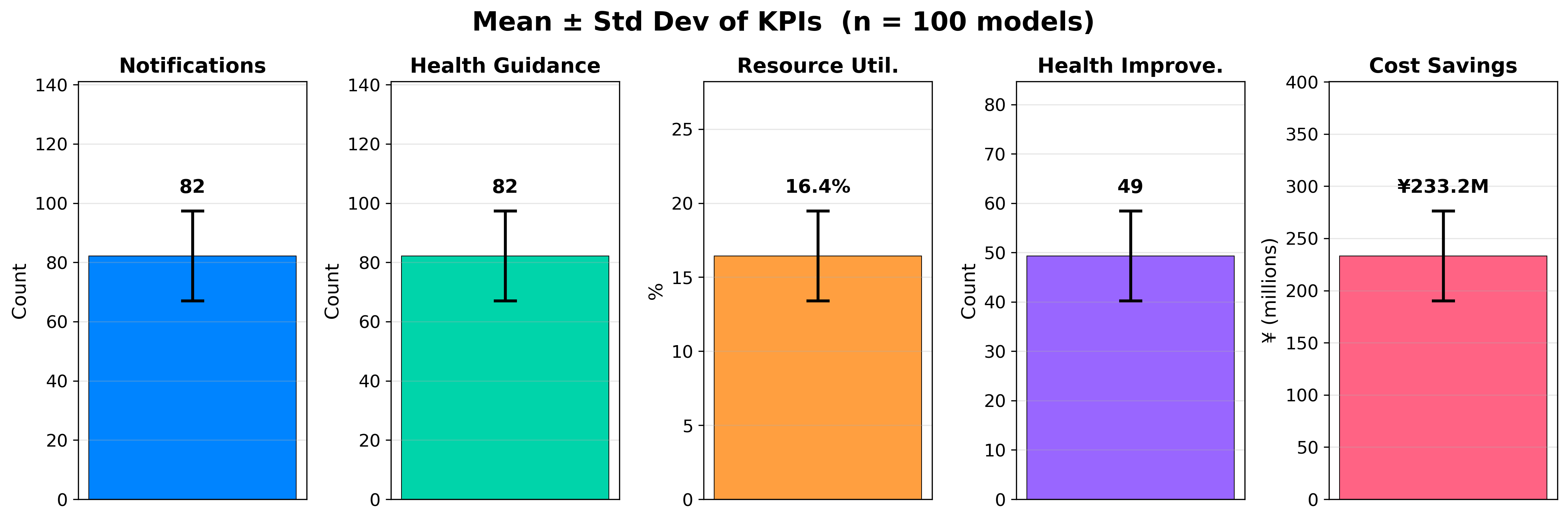
KPI Mean & Variance — City 1 / GPT-5.1
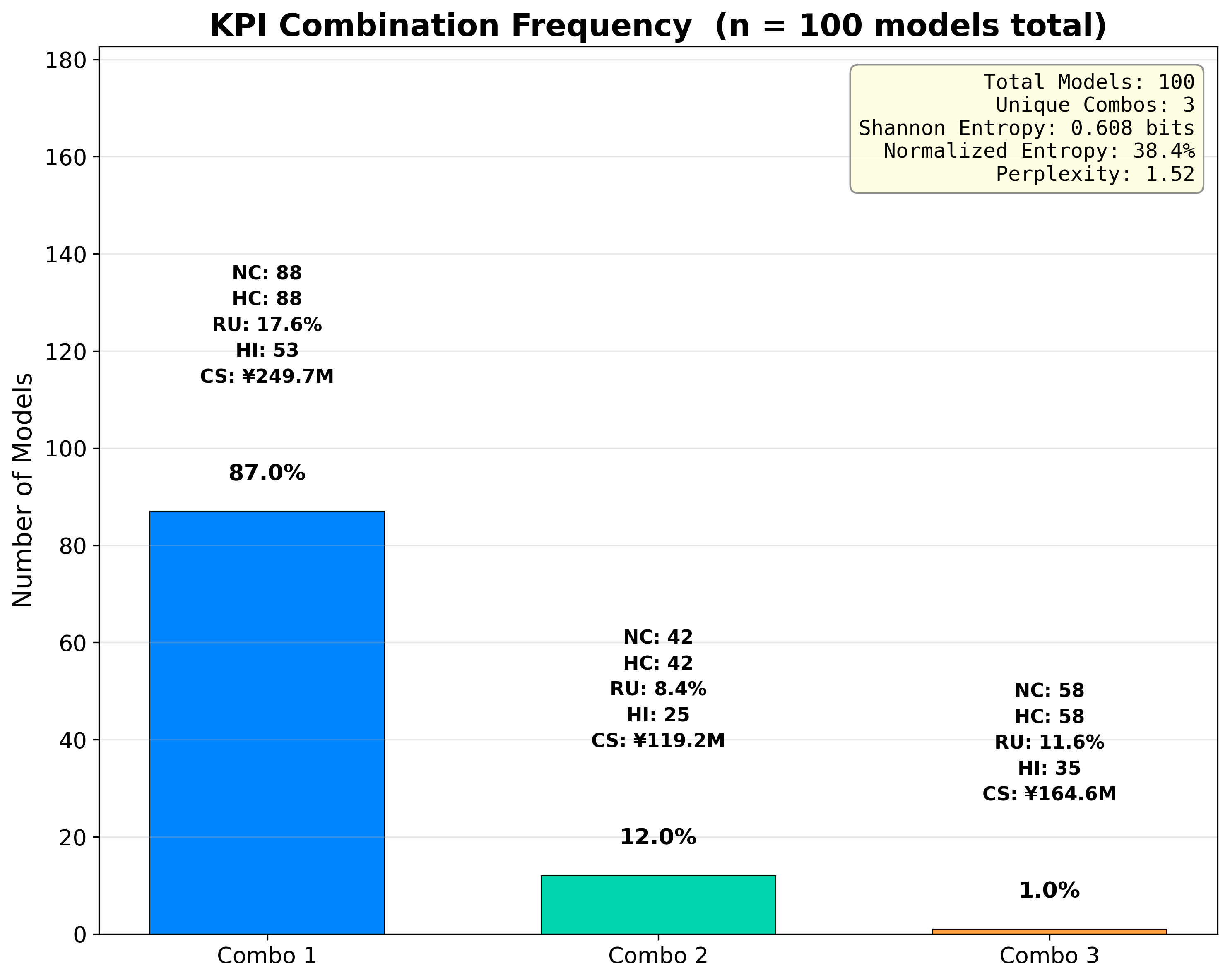
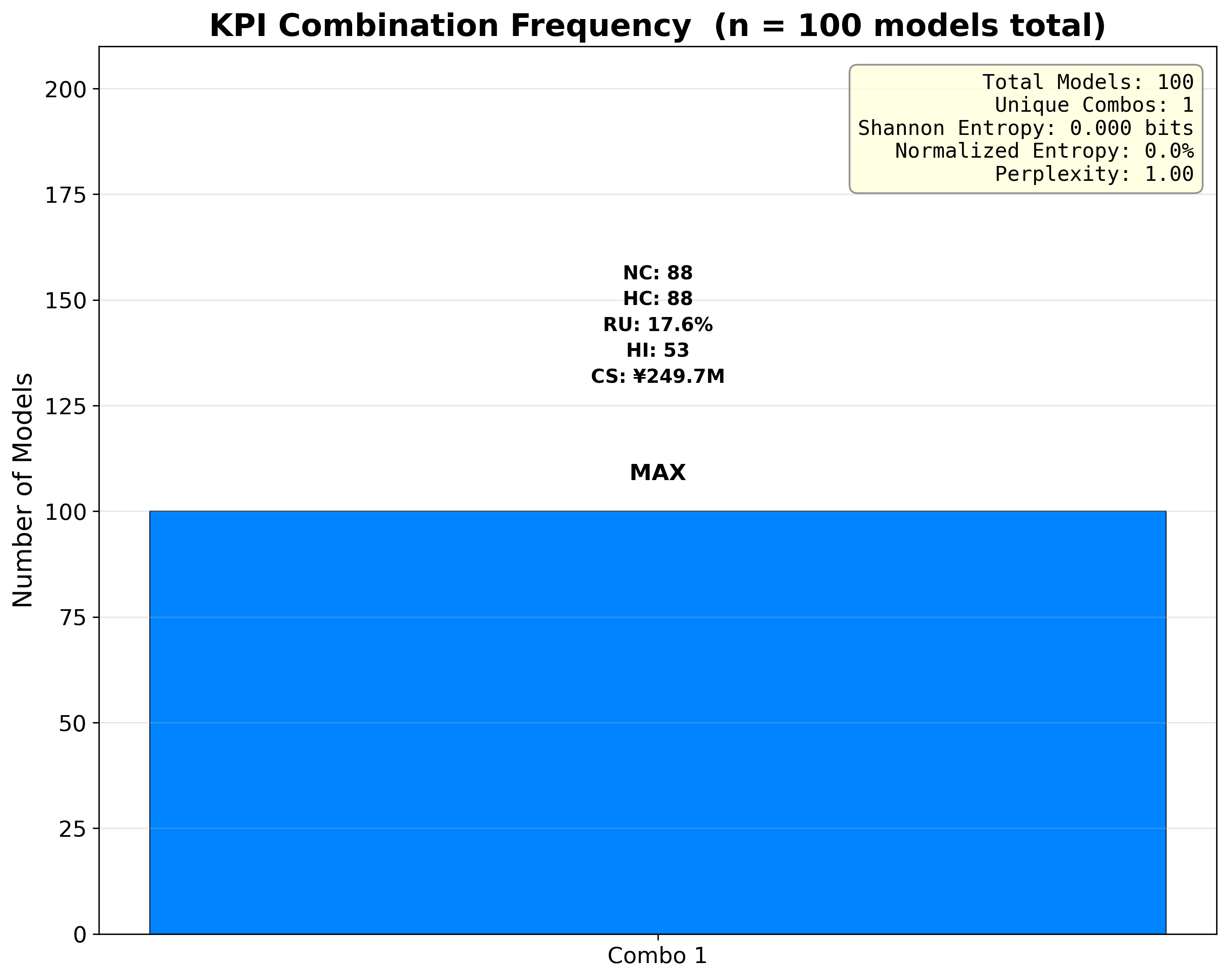
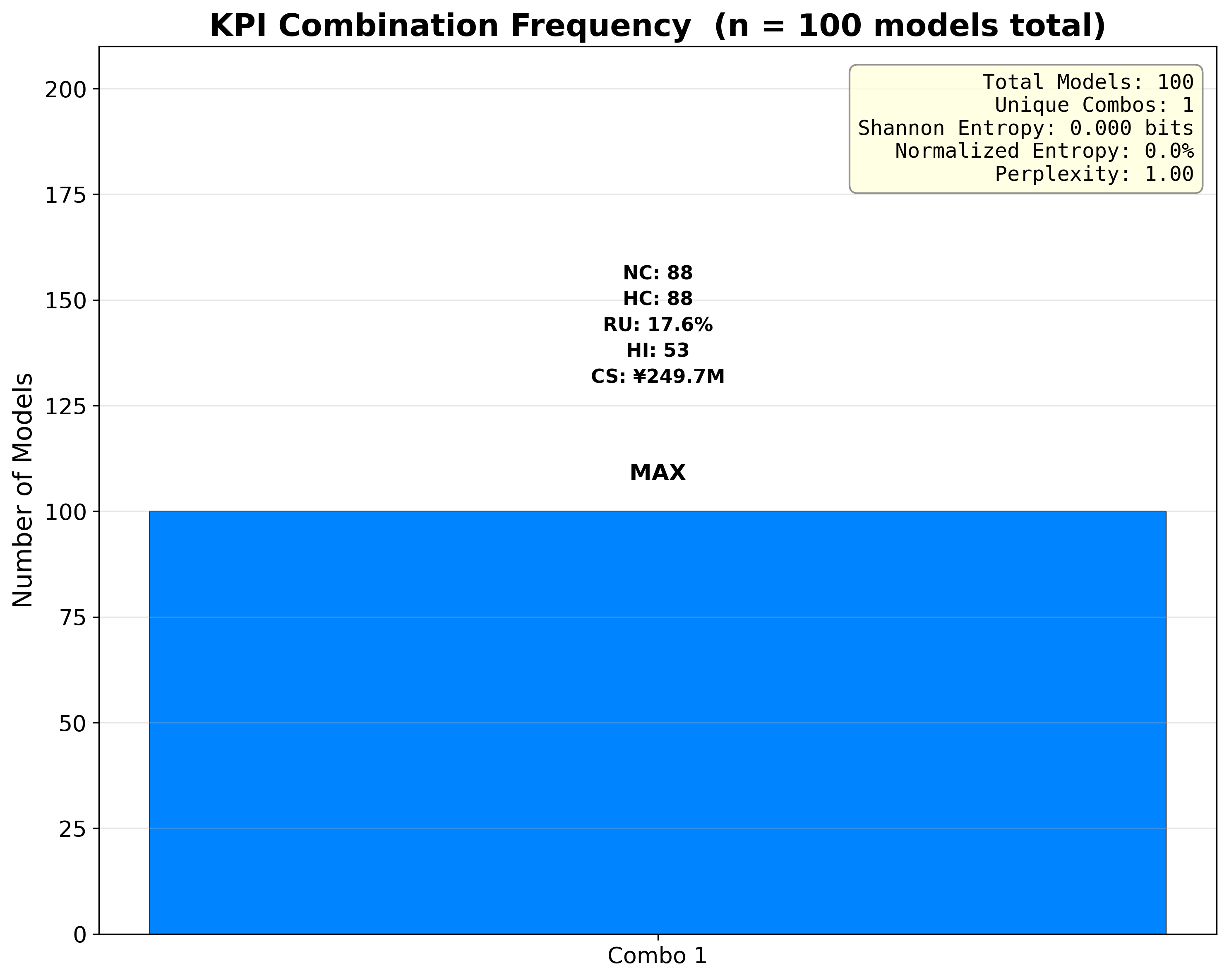
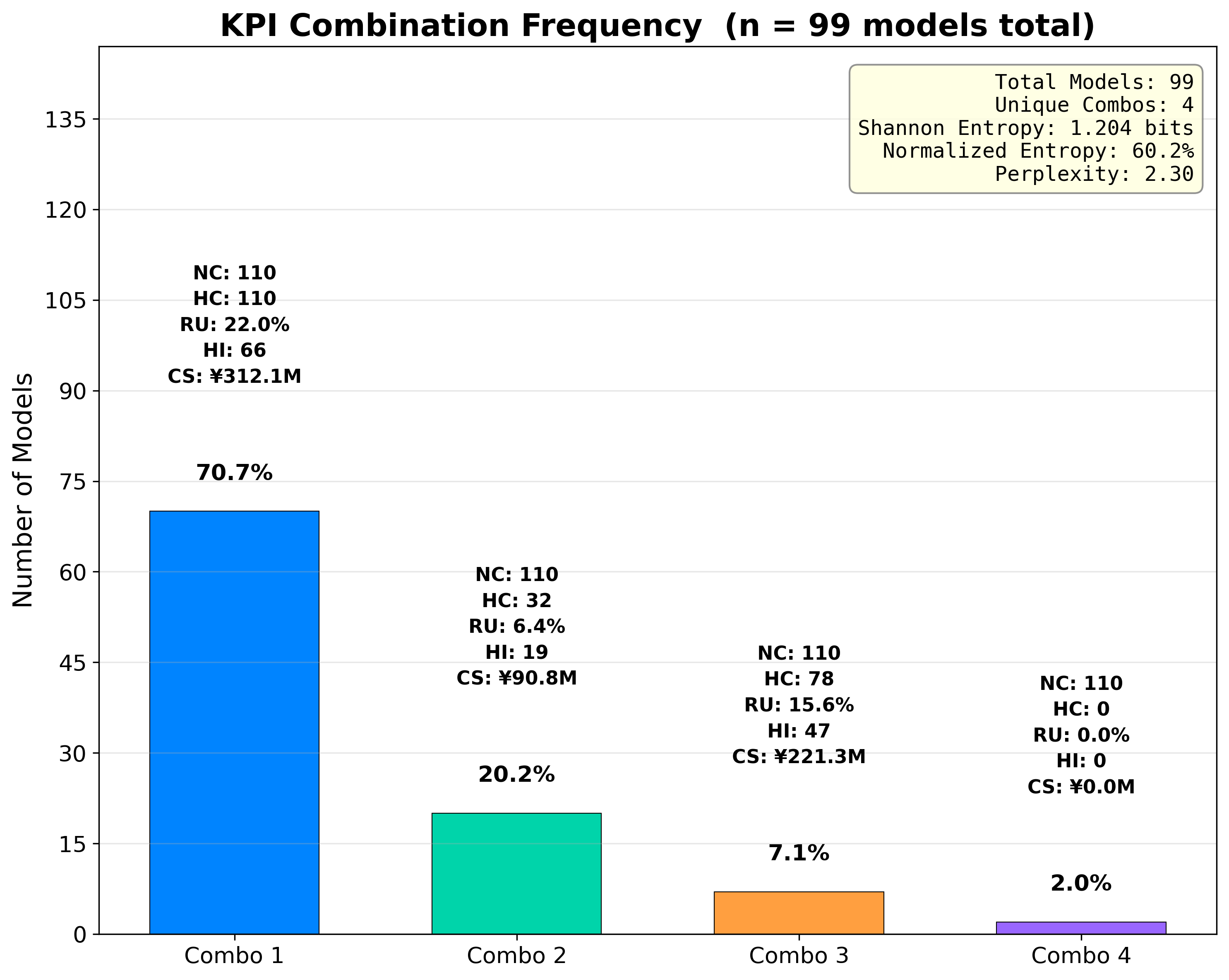
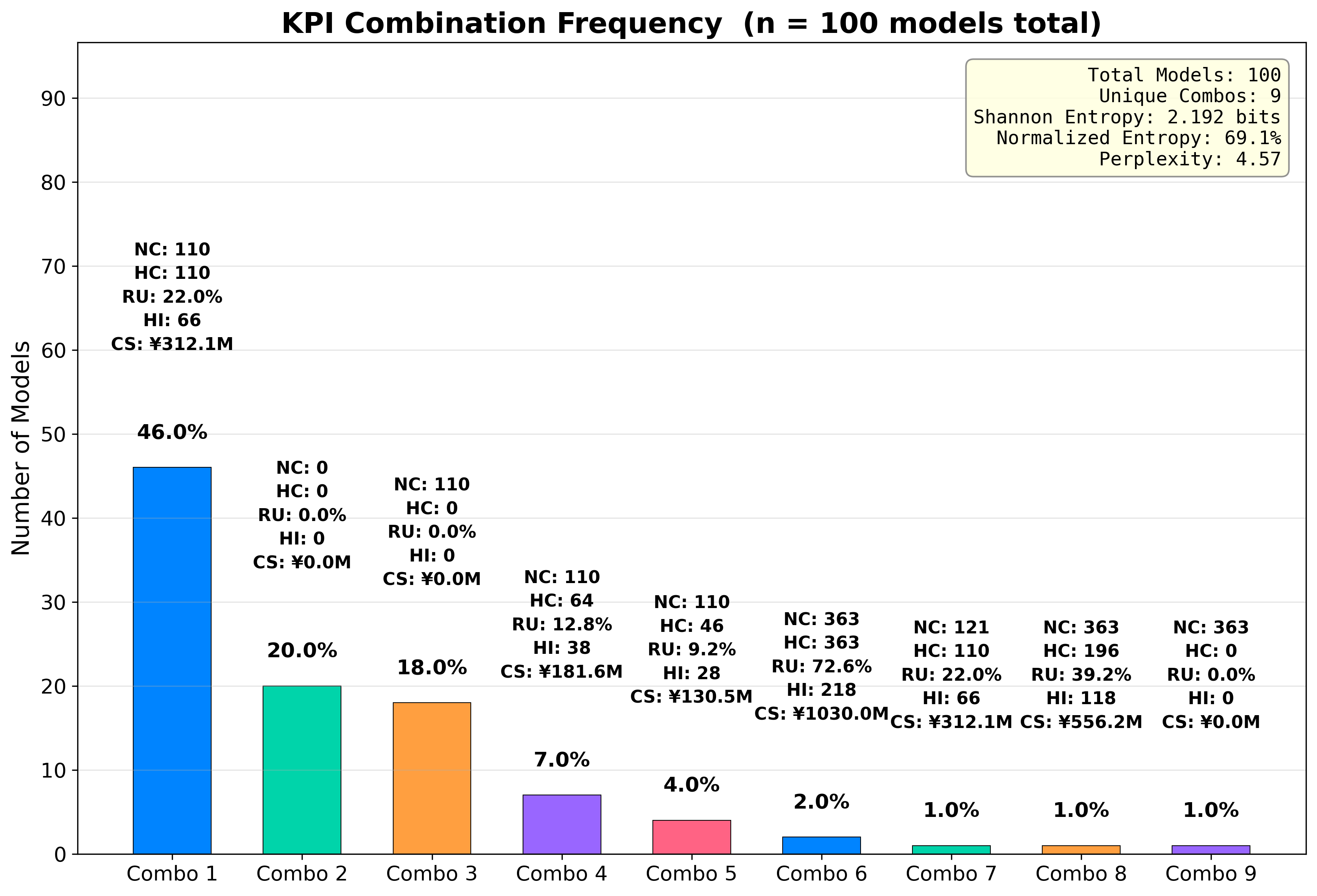
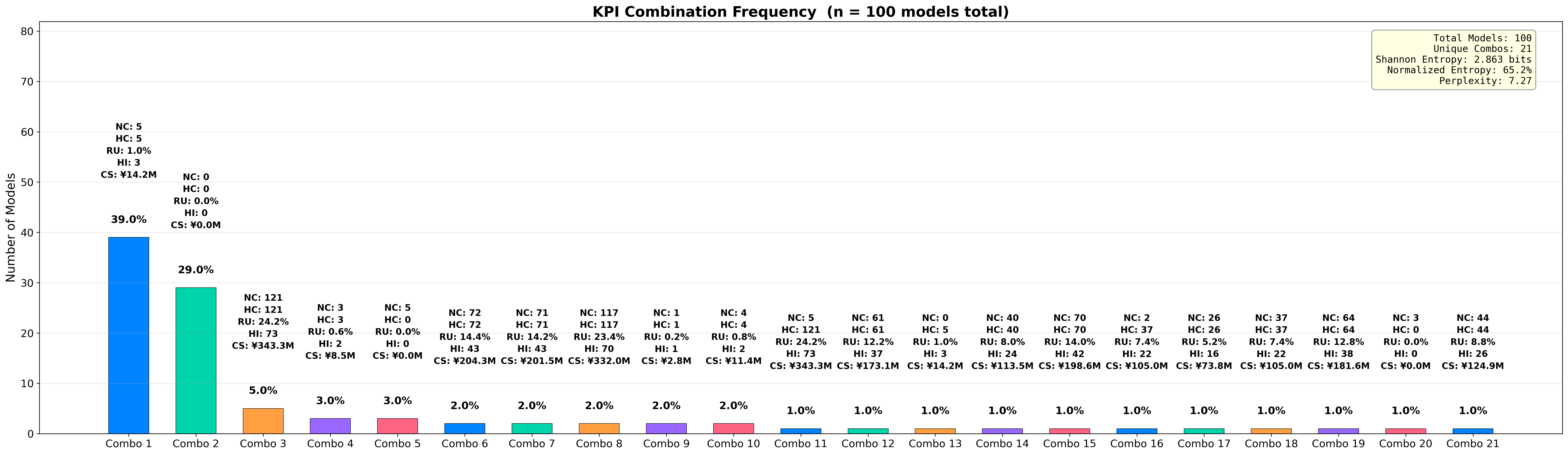
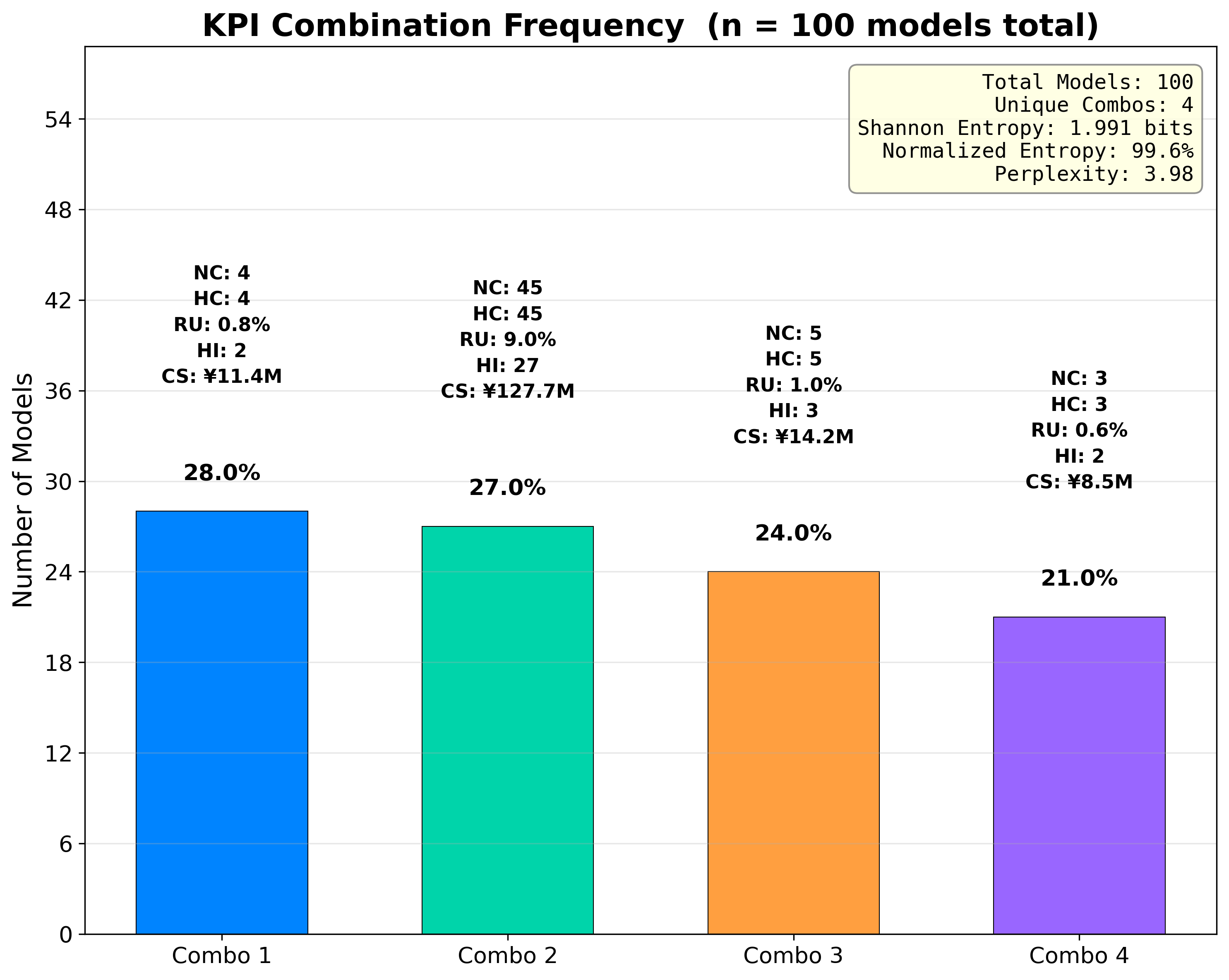
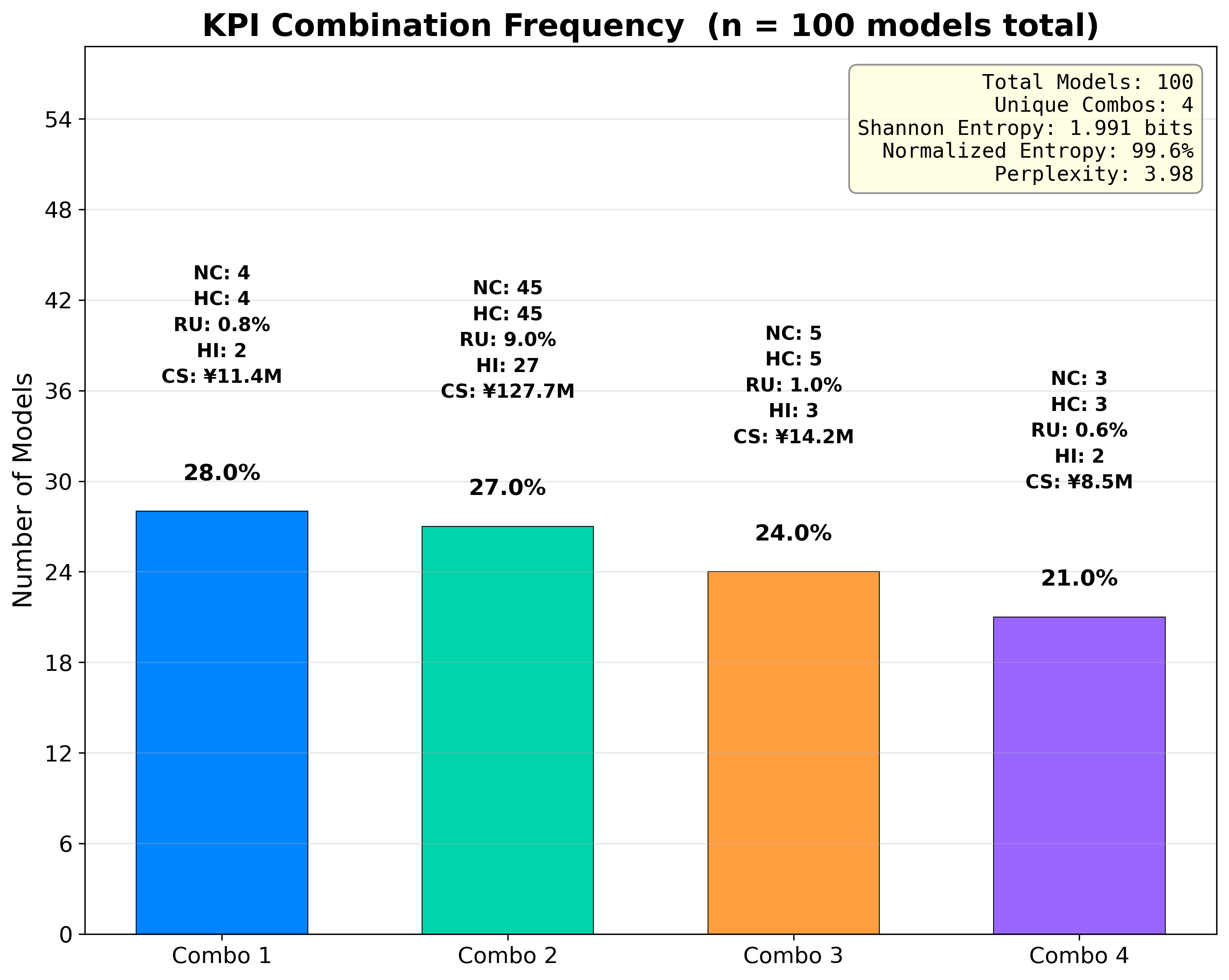
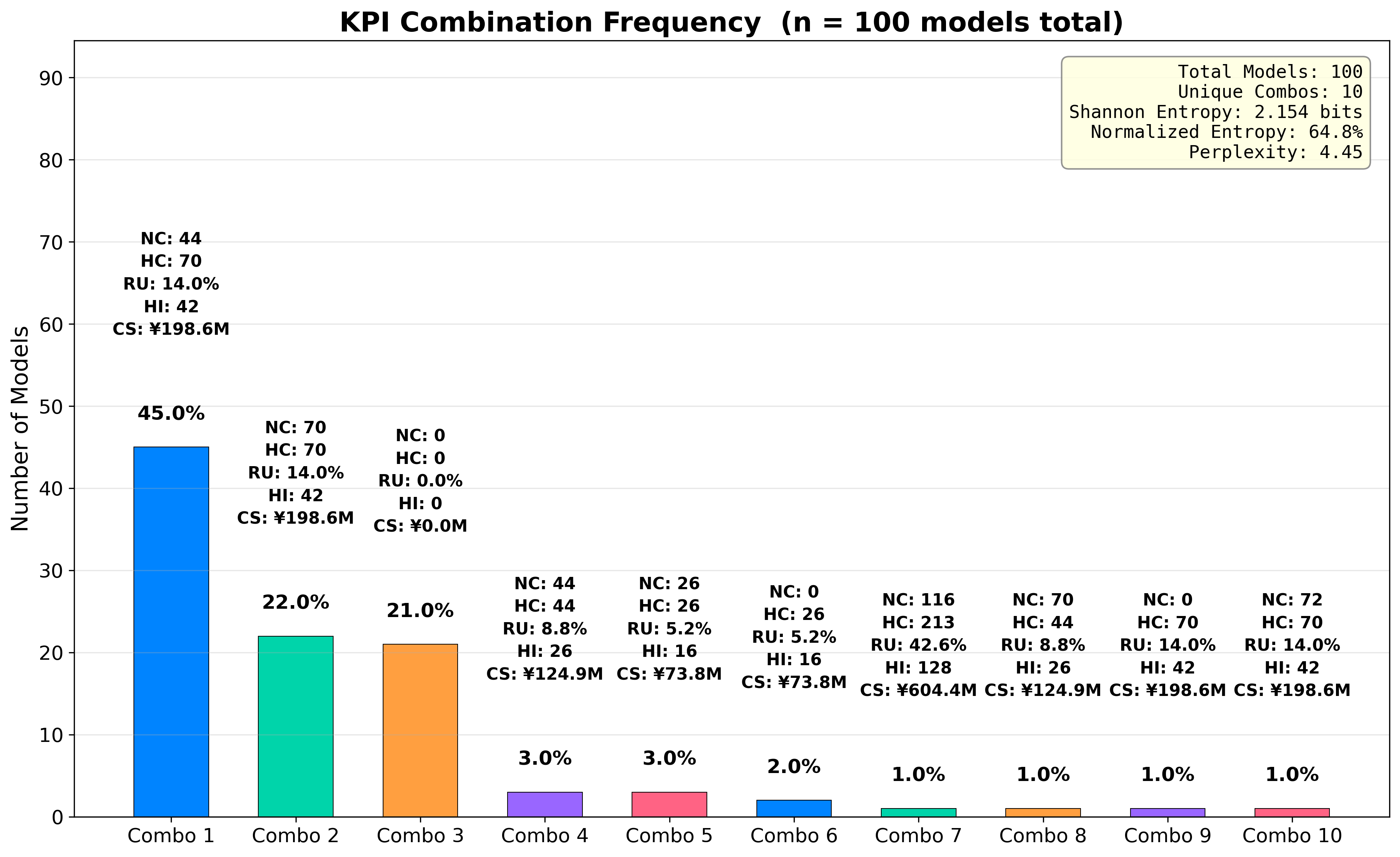
City 1 GPT-5.1 KPI Uncertainty
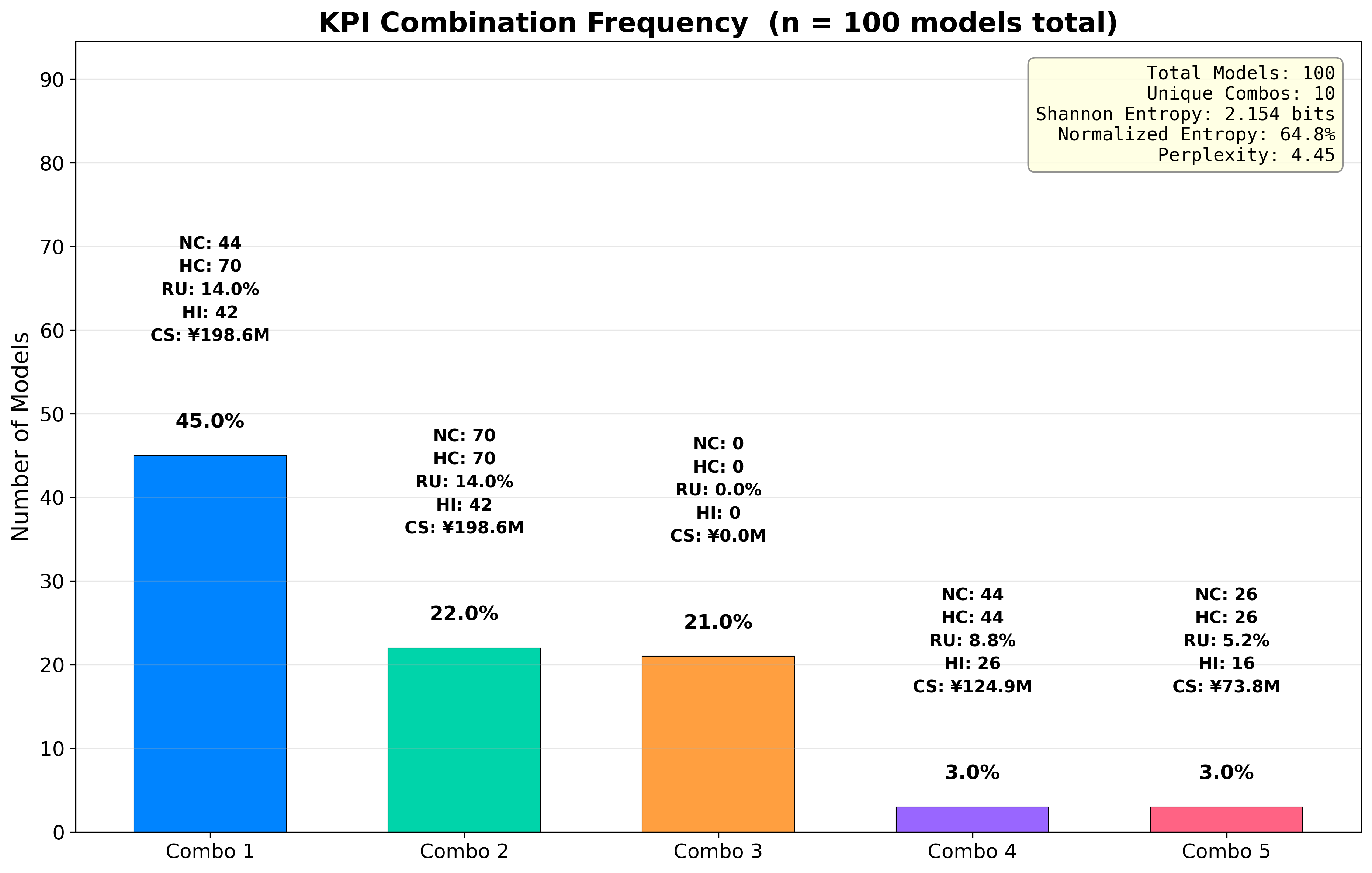
KPI Combination Frequency — City 1 / GPT-5.1
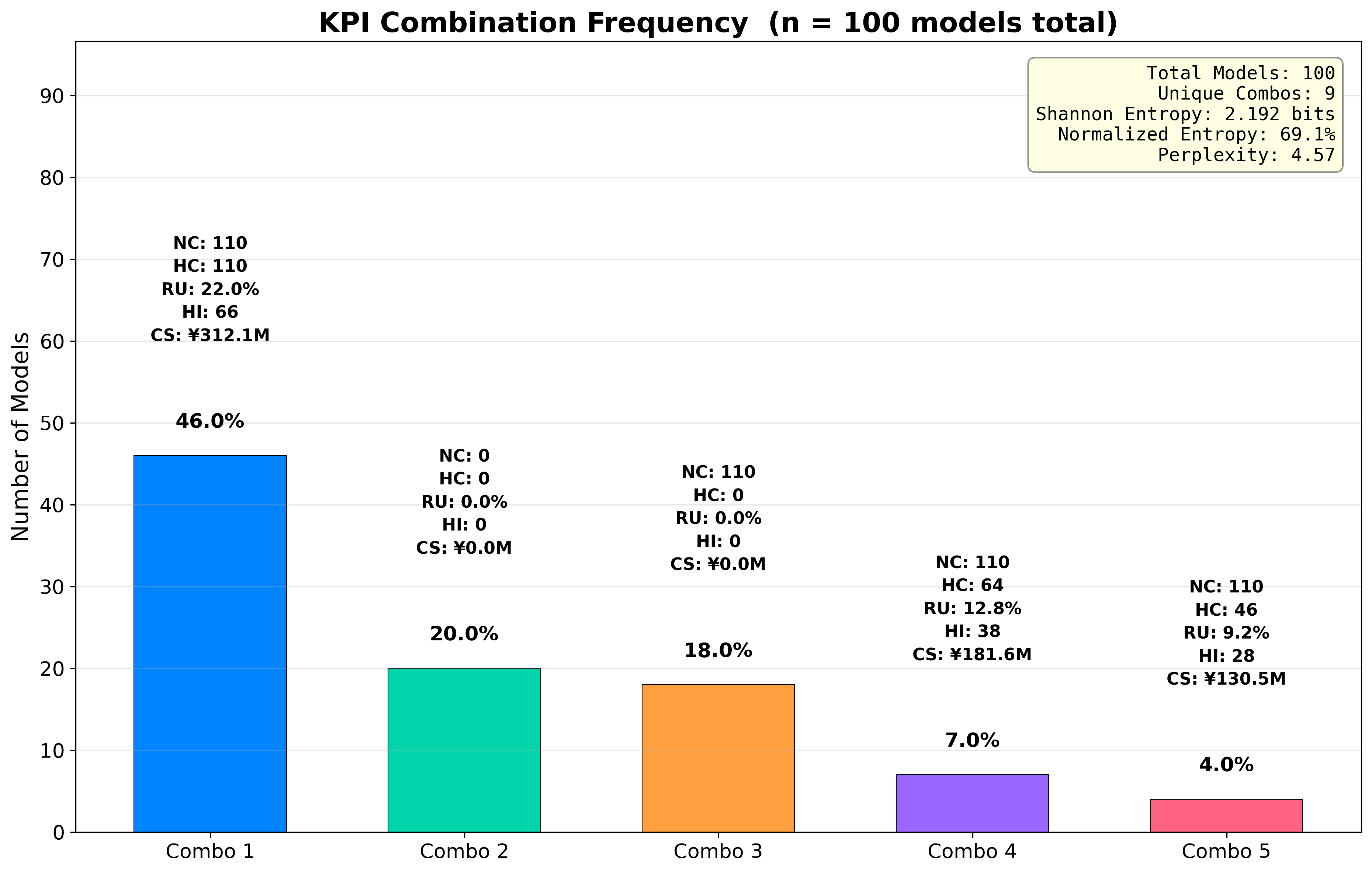
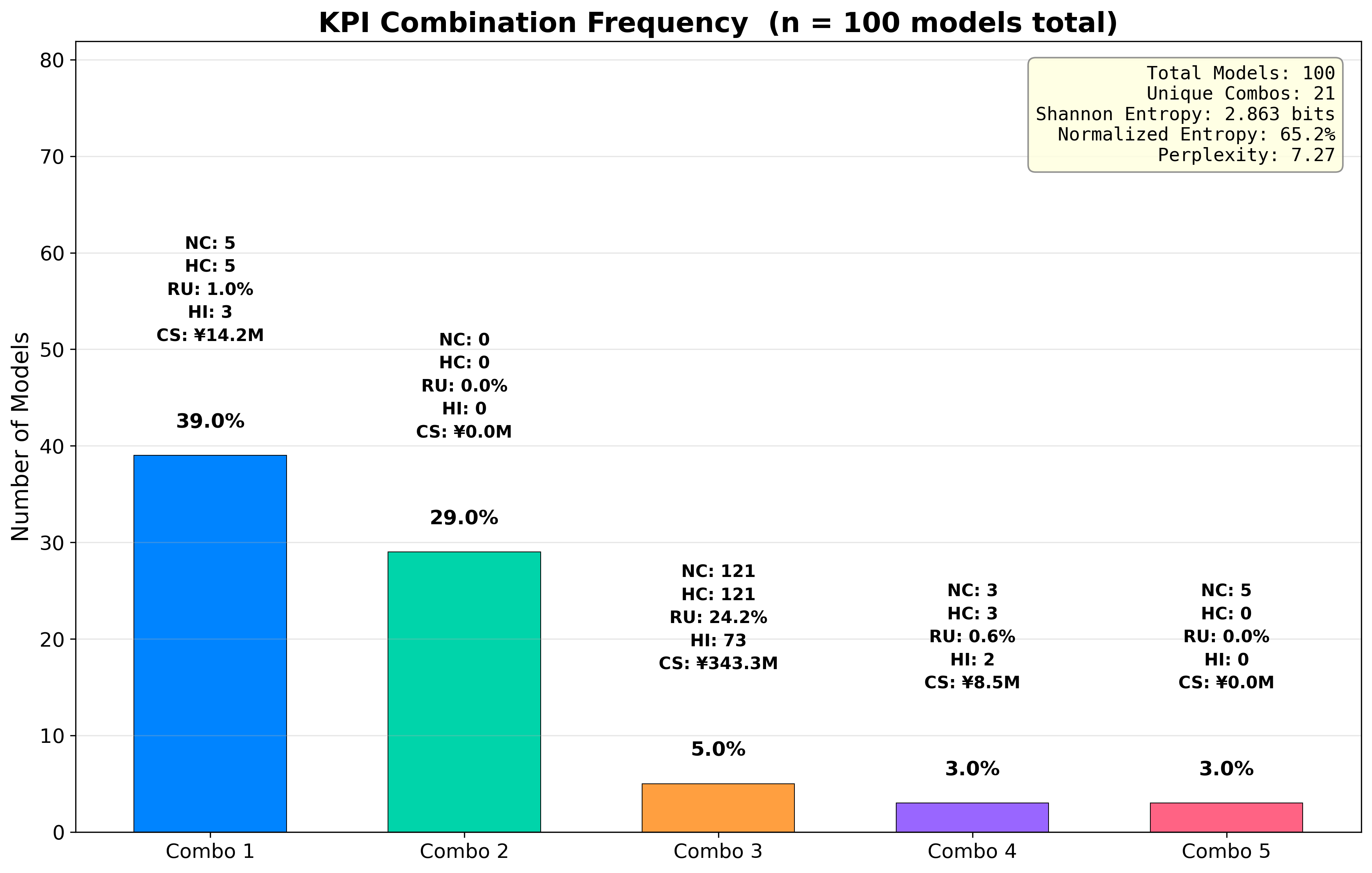
City 1 GPT-5.1 Top-5 KPI Combinations
Top-5 KPI Combinations — City 1 / GPT-5.1
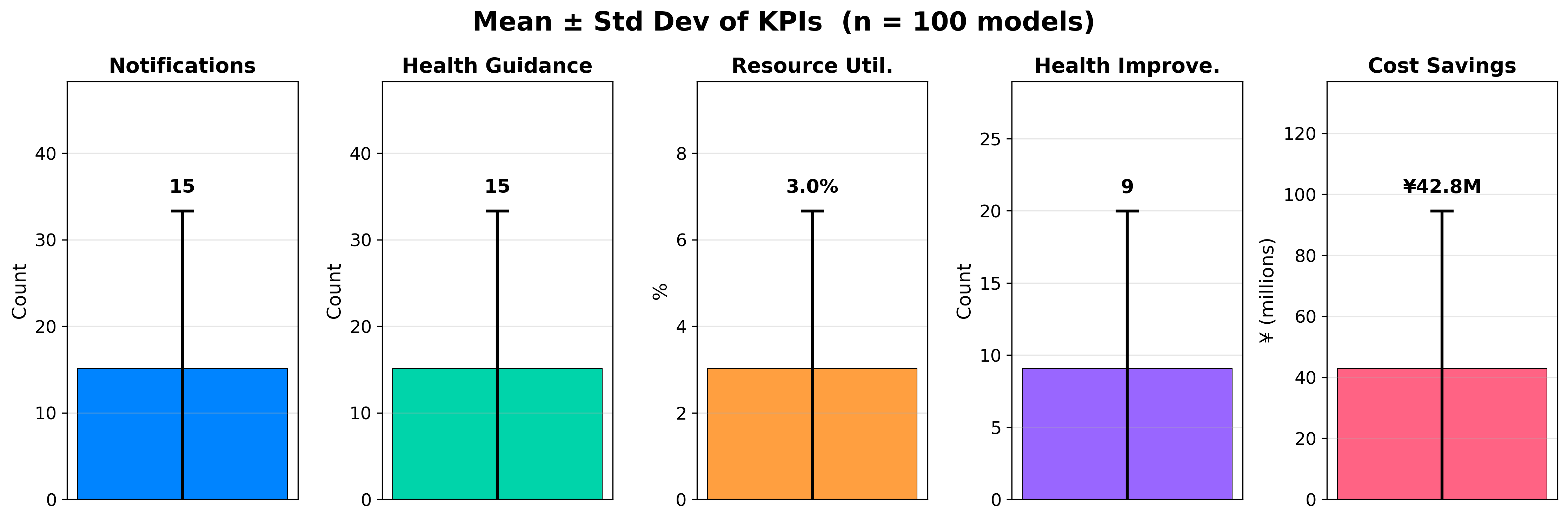
City 1 Gemini 2.5 Pro KPI Mean & Variance
KPI Mean & Variance — City 1 / Gemini 2.5 Pro
City 1 Gemini 2.5 Pro KPI Uncertainty
KPI Combination Frequency — City 1 / Gemini 2.5 Pro
City 1 Gemini 2.5 Pro Top-5 KPI Combinations
Top-5 KPI Combinations — City 1 / Gemini 2.5 Pro
City 1 Gemini 2.5 Flash KPI Mean & Variance
KPI Mean & Variance — City 1 / Gemini 2.5 Flash
City 1 Gemini 2.5 Flash KPI Uncertainty
KPI Combination Frequency — City 1 / Gemini 2.5 Flash
City 1 Gemini 2.5 Flash Top-5 KPI Combinations
Top-5 KPI Combinations — City 1 / Gemini 2.5 Flash
City 2 GPT-5.1 KPI Mean & Variance
KPI Mean & Variance — City 2 / GPT-5.1
City 2 GPT-5.1 KPI Uncertainty
KPI Combination Frequency — City 2 / GPT-5.1
City 2 GPT-5.1 Top-5 KPI Combinations
Top-5 KPI Combinations — City 2 / GPT-5.1
City 2 Gemini 2.5 Pro KPI Mean & Variance
KPI Mean & Variance — City 2 / Gemini 2.5 Pro
City 2 Gemini 2.5 Pro KPI Uncertainty
KPI Combination Frequency — City 2 / Gemini 2.5 Pro
City 2 Gemini 2.5 Pro Top-5 KPI Combinations
Top-5 KPI Combinations — City 2 / Gemini 2.5 Pro
City 2 Gemini 2.5 Flash KPI Mean & Variance
KPI Mean & Variance — City 2 / Gemini 2.5 Flash
City 2 Gemini 2.5 Flash KPI Uncertainty
KPI Combination Frequency — City 2 / Gemini 2.5 Flash
City 2 Gemini 2.5 Flash Top-5 KPI Combinations
Top-5 KPI Combinations — City 2 / Gemini 2.5 Flash
City 3 GPT-5.1 KPI Mean & Variance
KPI Mean & Variance — City 3 / GPT-5.1
City 3 GPT-5.1 KPI Uncertainty
KPI Combination Frequency — City 3 / GPT-5.1
City 3 GPT-5.1 Top-5 KPI Combinations
Top-5 KPI Combinations — City 3 / GPT-5.1
City 3 Gemini 2.5 Pro KPI Mean & Variance
KPI Mean & Variance — City 3 / Gemini 2.5 Pro
City 3 Gemini 2.5 Pro KPI Uncertainty
KPI Combination Frequency — City 3 / Gemini 2.5 Pro
City 3 Gemini 2.5 Pro Top-5 KPI Combinations
Top-5 KPI Combinations — City 3 / Gemini 2.5 Pro
City 3 Gemini 2.5 Flash KPI Mean & Variance
KPI Mean & Variance — City 3 / Gemini 2.5 Flash
City 3 Gemini 2.5 Flash KPI Uncertainty
KPI Combination Frequency — City 3 / Gemini 2.5 Flash
City 3 Gemini 2.5 Flash Top-5 KPI Combinations
Top-5 KPI Combinations — City 3 / Gemini 2.5 Flash

Per-Patient Decision Agreement

Agreement rate, F1, recall, balanced accuracy, and Cohen's κ across all backends and cities (1,000 patients each)
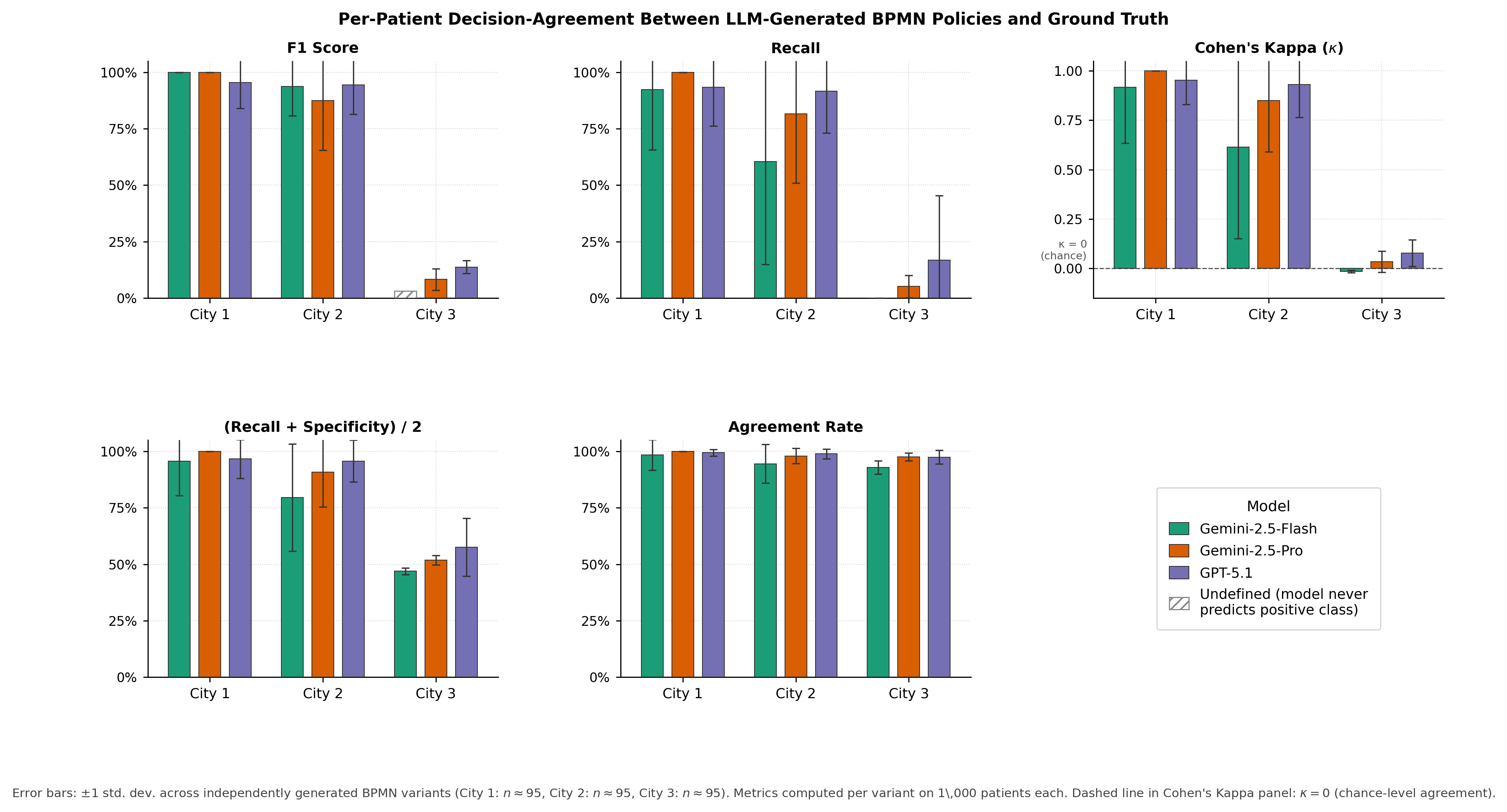
Bar chart of per-patient decision agreement metrics across cities and LLM backends

Patient Dataset Schema

Clinical attributes used as input to simulate BPMN models (synthetic records, 1,000 patients)

#ColumnTypeDescription
1IDIntegerPatient identifier
2SexBinary (0/1)Patient sex (0 = female, 1 = male)
3AgeIntegerPatient age in years
4Health_CheckBinary (0/1)Annual health checkup conducted this year
5Fasting_Blood_GlucoseNumeric (mg/dL)Fasting blood glucose level
6HbA1cNumeric (%)Glycated haemoglobin level
7Urinary_ProteinOrdinal (0–5)Urinary protein level (0 = −, 1 = ±, 2 = 1+, 3 = 2+, 4 = 3+, 5 = 4+)
8Urine_lbuminNumeric (mg/g·Cr)Urinary albumin-to-creatinine ratio
9eGFRNumeric (mL/min/1.73m²)Estimated glomerular filtration rate
10DiabetesBinary (0/1)Current diabetes diagnosis flag
11Diabetes_HistoryBinary (0/1)Prior-year diabetes diagnosis on record
12Type_1_DiabetesBinary (0/1)Type 1 diabetes diagnosis (exclusion criterion)
13Type_2_Diabetes_Prior_Year_Jan_to_DecBinary (0/1)Type 2 diabetes claims in prior fiscal year
14Diabetes_Under_TreatmentBinary (0/1)Currently receiving oral or insulin treatment for diabetes
15CancerBinary (0/1)Cancer diagnosis flag (exclusion criterion)
16Health_GuidanceBinary (0/1)health guidance decision choice
17Specific_Health_Guidance_TargetBinary (0/1)Specific health guidance program target flag

Interactive BPMN & Patient Trace Viewer

Select a city, LLM, and generated sample — then choose a patient to see their path highlighted in the process model

  • Loading traces…

Downloads

Artifacts and models from this work